
• Animal Assisted Therapy
  • Blog, Articles, Resources
  • Counseling Services
  • Life Coaching
  • Links and Resources Gainesville
  • Links and Resources Panama City
  • Play Therapy
  • Welcome

Loving Therapy™

~ Confidential

Loving Therapy™

Category Archives: Depression

Essential Mental Health Resources in Cocoa Beach FL

31 Saturday Jan 2026

Posted by rachelhofer in Addiction, ADHD, Anxiety, Autism, Career Counseling, CBT, child counseling, Children, Christian Counseling, Cocoa Beach, Couples Counseling, Depression, family counseling, Family Therapy, FL, Florida, grief, Love, marriage, Mental Health Counseling, Play Therapy, PTSD, Recovery, Relationship Counseling, telehealth, video

≈ Leave a comment

Tags

ADHD, Anxiety, Career Counseling, child therapy, Cocoa Beach, Depression, family, Florida, grief, marriage counseling, Mental Health Counseling, mood disorders, Therapy

Mental health is a vital part of overall well-being, yet finding the right support can be challenging. In Cocoa Beach, FL, residents have access to a variety of mental health resources tailored to different needs.

Community center in Cocoa Beach offering mental health support

Local Mental Health Clinics and Counseling Services

Cocoa Beach has several clinics and counseling centers that provide professional mental health care. These facilities offer services such as individual therapy, group counseling, and crisis intervention.

  • Brevard Counseling Center

Located nearby, this center offers affordable therapy sessions for anxiety, depression, and trauma. They accept various insurance plans and provide sliding scale fees.

  • Space Coast Mental Health Services

This organization focuses on community outreach and support for those facing substance abuse and mental illness. They provide case management and psychiatric services.

  • Cocoa Beach Wellness Center

A holistic approach to mental health, combining counseling with wellness activities like yoga and meditation classes.

These centers emphasize personalized care and community connection, making them valuable resources for residents seeking face-to-face support.

Support Groups and Community Programs

Support groups provide a safe space to share experiences and gain encouragement from others facing similar challenges. Cocoa Beach offers several options:

  • NAMI Brevard County Support Groups

The National Alliance on Mental Illness hosts regular meetings for individuals and families affected by mental health conditions. These groups focus on education and peer support.

  • GriefShare

For those coping with loss, GriefShare offers weekly sessions that help participants process grief and find hope.

  • Veterans Support Groups

Local veteran organizations run mental health support groups tailored to the unique challenges faced by military service members.

Community programs often include workshops on stress management, parenting, and mindfulness, which can complement formal therapy.

Online and Telehealth Options

Telehealth is a good option after stabilization (not in a crisis) to heal and for ongoing care. Technology has expanded access to mental health care beyond local areas.

  • Many local providers now offer teletherapy sessions, allowing clients to receive counseling from home.
  • Online platforms connect residents with licensed therapists for flexible scheduling.
  • Virtual support groups and workshops help maintain community connections without geographic barriers.

Telehealth options increase convenience and reduce stigma by offering private, accessible care.

Loving Therapy™ Telehealth Services

In addition to our local office, for those who prefer or require remote access to mental health care, Loving Therapy™ stands out as a compassionate telehealth option based in Florida. Unlike large online telehealth companies, Loving Therapy™ focuses on personalized care with licensed therapists who understand local community needs.

What Loving Therapy™ Offers

  • Licensed Therapists

All therapists are fully licensed and trained in evidence-based practices.

  • Flexible Scheduling

Sessions can be booked outside typical office hours, making it easier to fit therapy into busy lives.

  • Secure and Private

The platform uses encrypted video calls to ensure confidentiality.

  • Wide Range of Services

Therapy for anxiety, depression, relationship issues, trauma, and more.

  • Affordable Options

Sliding scale fees and payment plans are available to reduce financial barriers.

Loving Therapy™ allows residents of Cocoa Beach to access quality mental health care without the need to travel or wait for in-person appointments.

Crisis Resources in Cocoa Beach

In urgent situations, immediate help is crucial. Cocoa Beach residents can turn to these resources:

  • Brevard County Crisis Line

Available 24/7 for anyone experiencing a mental health emergency. Trained counselors provide support and connect callers to emergency services if needed.

  • Crisis Stabilization Units

Facilities offering short-term care for individuals in acute distress, helping stabilize their condition before transitioning to ongoing treatment.

  • Local Hospitals

Emergency departments at nearby hospitals have psychiatric units equipped to handle mental health crises.

Knowing where to turn during a crisis can save lives and reduce trauma.

Tips for Finding the Right Mental Health Support

Choosing the right mental health resource depends on individual needs and preferences. Here are some tips for Cocoa Beach residents:

  • Assess Your Needs

Consider whether you want in-person or remote therapy, the type of support needed, and your budget.

  • Check Credentials

Verify that therapists and counselors are licensed and have experience with your specific concerns.

  • Ask About Approaches

Different therapists use different methods. Find one whose style matches your comfort level.

  • Look for Community Connections

Providers familiar with Cocoa Beach and Brevard County can offer more relevant support.

  • Use Telehealth When Needed

Loving Therapy™ offers a convenient alternative if transportation or scheduling is a barrier.

Encouraging Mental Health Awareness in Cocoa Beach

Mental health stigma can prevent people from seeking help. Community efforts in Cocoa Beach aim to raise awareness and promote open conversations.

  • Public Workshops

Events on topics like stress reduction and mental wellness are held at libraries and community centers.

  • School Programs

Local schools incorporate mental health education to support students and families.

  • Local Media

Articles and radio segments highlight mental health resources and stories of recovery.

These initiatives help create a supportive environment where mental health is treated with the same importance as physical health.
http://www.truelovingtherapy.com

The Importance of Faith Based Counseling in Mental Health and Its Benefits for Clients

31 Saturday Jan 2026

Posted by rachelhofer in Anxiety, Christian Counseling, Church, Depression, FL, Florida, Mental Health Counseling, Support Groups

≈ Leave a comment

Tags

Anxiety, Christian Counseling, Depression, Faith, healing, mental-health, Therapy

Mental health care has evolved to include diverse approaches that respect clients’ values and beliefs. Faith based counseling stands out as a meaningful option for many individuals seeking support. This form of counseling integrates spiritual beliefs with psychological principles, offering a unique path to healing and growth. Licensed mental health providers who offer Christian counseling or other faith based approaches play a vital role in addressing the whole person—mind, body, and spirit. These services are offered by providers who do have the same faith, if a client requests them, from providers who respect people of all faiths and backgrounds. Mental health services can be offered without necessarily including this aspect of care and not all therapists have the same religious beliefs or training in integrated care.

Understanding Faith Based Counseling

Faith based counseling combines psychological techniques with religious or spiritual perspectives. It recognizes that for many clients, faith is a core part of their identity and worldview. This approach allows therapists to incorporate clients’ spiritual beliefs into therapy goals and interventions. It is not about imposing religious views but about using faith as a resource for coping, meaning-making, and resilience.

Christian counseling, a common form of faith based counseling, draws on Christian teachings and scripture alongside evidence-based mental health practices. It supports clients in exploring how their faith influences their emotions, behaviors, and relationships. This integration can deepen insight and motivation for change.

Benefits for Clients

Clients who engage in faith based counseling often experience several benefits:

  • Holistic Healing

Addressing spiritual needs alongside emotional and psychological concerns promotes comprehensive healing. Clients feel seen as whole persons, not just a set of symptoms.

  • Stronger Coping Skills

Faith traditions offer rich resources such as prayer, meditation, and community support. These tools can enhance clients’ ability to manage stress and adversity.

  • Increased Hope and Meaning

Spiritual beliefs can provide a sense of purpose and hope during difficult times. This perspective supports clients in finding meaning in their struggles.

  • Improved Therapeutic Alliance

When therapists respect and incorporate clients’ faith, it builds trust and openness. This collaboration strengthens the therapy process.

Research supports these benefits. For example, Pargament (2011) highlights how spirituality can positively influence mental health outcomes by fostering hope and resilience. Richards and Bergin (2005) emphasize that integrating faith into therapy respects clients’ values and enhances engagement. According to Aten and Leach (2009), faith based counseling can reduce feelings of isolation by connecting clients to a supportive spiritual community.

The Role of Licensed Mental Health Providers

Licensed therapists offering faith based counseling must balance professional ethics with respect for religious diversity. The right to freedom of religion protects both therapists and clients in expressing their beliefs within therapy. Therapists are not required to share their clients’ religious views but should understand how these beliefs shape clients’ experiences.

Respect and collaboration are essential. Therapists listen carefully to clients’ faith perspectives and work together to set goals that honor those beliefs. This approach avoids judgment and supports clients’ autonomy. For instance, a Christian counselor may help a client explore how forgiveness teachings relate to their healing process without insisting on specific religious practices.

Therapists also maintain professional boundaries and evidence-based standards. They integrate faith with psychological knowledge to provide effective care. This dual understanding enriches therapy and respects the complexity of human experience.

Addressing Misconceptions

Some worry that faith based counseling might pressure clients to adopt certain beliefs. In reality, ethical therapists prioritize client-centered care. They do not require agreement with all client behaviors or beliefs but focus on respect and collaboration. This means therapists can support clients even when their values differ. Though, some ethical differences and boundaries may lead to a termination of care and referral as therapists do have ethical professional responsibility. In the same token, clients have rights and responsibilities.

Another misconception is that faith based counseling lacks scientific support. On the contrary, research shows positive outcomes when spirituality is integrated thoughtfully. The American Psychological Association recognizes spirituality as an important dimension of health (APA, 2020).

Practical Examples

Consider a client struggling with anxiety who finds comfort in prayer and scripture. A faith based counselor might incorporate these practices alongside cognitive-behavioral techniques to reduce anxiety symptoms. Another example is a client facing grief who draws strength from their church community. The therapist can encourage this connection as part of the healing process.

These examples show how faith based counseling adapts to individual needs, blending spiritual resources with proven mental health strategies.

Final Thoughts

Faith based counseling offers a valuable option for clients seeking mental health support that respects their spiritual beliefs. Licensed mental health providers who offer Christian counseling or other faith based approaches help clients heal in a way that honors their whole identity. This approach builds hope, resilience, and meaning while maintaining professional ethics and respect for diversity.

Clients benefit from a therapy process that integrates faith and psychology, creating a strong foundation for lasting change. Therapists and clients working together with mutual respect can unlock powerful pathways to mental wellness.

References

Aten, J. D., & Leach, M. M. (2009). Spirituality and the therapeutic process: A comprehensive resource from intake to termination. American Psychological Association.

American Psychological Association. (2020). Guidelines for psychological practice with religious and spiritual diversity. https://www.apa.org/practice/guidelines/religious-spiritual-diversity

Pargament, K. I. (2011). Spiritually integrated psychotherapy: Understanding and addressing the sacred. Guilford Press.

Richards, P. S., & Bergin, A. E. (2005). A spiritual strategy for counseling and psychotherapy (2nd ed.). American Psychological Association.

http://www.truelovingtherapy.com

Vulnerability and Boundaries

06 Tuesday Sep 2016

Posted by rachelhofer in Bi-Polar, Brain Imaging and Counseling, Creativity, Depression, Discrimination, mental illness, Mood Disorder, Psychiatry, Recovery, Schizophrenia, Self Esteem, Shame, vulnerability

≈ Leave a comment

I so appreciate people like Kay Redfield Jameson and Elen Saks for having the courage and the leverage in their life and position in order to share about their success, mental illness, and stigma they have overcome. I think that society’s attitude has changed even in the last 5 years. I have read case law on a slander law suit even for calling someone ‘bipolar’ when this was their diagnosis by a doctor, because it was used to refer to them as though that is all of who they were. Many people who have mental illness are also very skilled and successful in professional jobs but even if they were not, the assumptions and defamation that people incur with labels may be slanderous and incriminating.

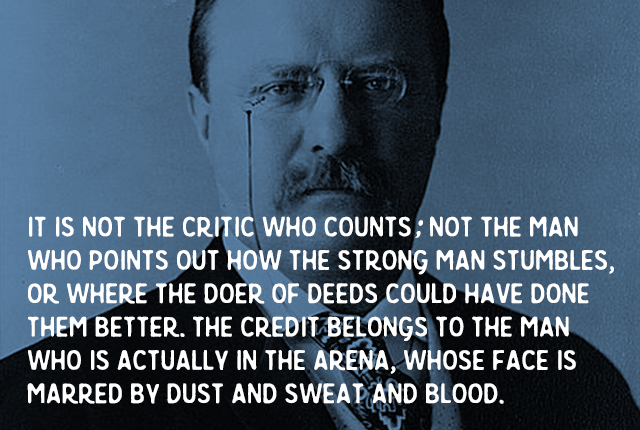
Though I love Brene Brown and what she has shared many people’s ‘vulnerabilities’ publicly pale in comparison to these two women- Dr. Jameson and Dr. Saks. We may feel extreme shame regarding issues that may not incur nearly the consequences of stigma and shame, or rather ‘discrimination’, that mental illnesses have across centuries. Some issues are more taboo. Brene says, “They have to earn the right to hear our story.” Conversely, these women paid out for skeptics and critics to benefit from hearing their stories backed up with their credentials. I am certain there were some worthy friends who earned the right to hear their stories and saw them through. When statistics show nearly one in five people suffer with mental illness we must know we all have family members and friends also suffering in silence. Clearly society is not ready for many people to share about the mental illness they have suffered and even overcome, publicly.  I love what Dr. Brown has to say about shame and vulnerability being the birth place of innovation and the man in the arena.


teddy_quote_full_0

What can you do about this in Gainesville, FL this month?

National Alliance on Mental Illness (NAMI) Gainesville, FL Annual Mental Illness Awareness Walk to reduce stigma surrounding mental illness. NAMI Gainesville (National Allinance on Mental Illness) provides education, advocacy and support for family members and individuals dealing with a mental illness. All services offered are free. Help NAMI by showing support and donating funds if you can. T-Shirts to anyone donating at least $10

https://www.facebook.com/events/271164809934041/


http://www.lovingtherapy.com

Rachel Hofer, MS


Canine Assisted Therapy

07 Tuesday Jun 2016

Posted by rachelhofer in animal assisted therapy, Anxiety, at risk, community involvement, Depression, Disability, volunteering

≈ Leave a comment

Love just graduated from the Bay County ‘Lifeline’ Program and was trained to obey over five commands by women in the Bay County Jail. She is in training as a Service and Therapy dog.

Shakira

Rachel Hofer did a training with Elizabeth Hollingsworth, LMHC and Keba the Human Whisperer in 2010 and is helping to train Love!

Resources on Canine Assisted Therapy:

http://hopecanheal.com/elizabeth.html

Click to access 9780415888332.pdf

canine-assisted-therapy-training-certificate

Creativity and Mental Illness

06 Sunday Apr 2014

Posted by rachelhofer in Bi-Polar, Creativity, Depression, Mood Disorder

≈ Leave a comment


Dr. Kay Redfield Jameson lives with bi-polar illness. She has been a very successful psychologist and writer. She believes that the research shows and the truth of the matter is that there is a correlation between mood disorders and highly creative artwork.  However, she says not to romanticize mental illness. Though many creatives and famous creative artists had mental illnesses that had an affect on their artwork, this did not come without its price. Byron and Van Gough, for example, wanted treatment for their illnesses. Many wanted to be treated and to get help, and some committed suicide at a young age. She makes the point that it is not a choice between being creative and taking medication.

Dr. Shelley Carson has a focus in her studies on psychopathology and creativity and teaches at Harvard. She says that most people who are creative do not have mental illness. She says people who have bi-polar and are creative are most creative right around the up and down from normal ranges of mood. She says the flight of ideas in mania and the feeling of ‘greater clarity’ may be part of what improves creativity in mental illness. She says anyone can become more creative by following the steps in her book. So you do not need to have mental illness to be creative.

Rachel Hofer

http://www.lovingtherapy.com

Songs for Waking Up

22 Monday Jul 2013

Posted by rachelhofer in Depression

≈ Leave a comment

I Wake Up In the Mornin’ and I Step Ouside! And I said Hey ey ey eyae Hey ey aye I said Hey! What’s GOIN ON!!!

It’s a Beautiful Day! 

And not to forget! Zippedeedoodah!

Body Image

02 Thursday May 2013

Posted by rachelhofer in Body Image, Cognitive Behavioral Therapy, Depression, Eating Disorders, Self Esteem

≈ Leave a comment

Men and women make jokes about our sensitivity regarding body image. Do I look fat in this? However, body image is a serious issue. On the far end of this continuum this issue may lead to eating disorders and depression. Eating Disorders affect  millions of people, are the most common of mental disorders among women and girls, are often chronic, associated with limited functioning in everyday life, suicidal thoughts, may result in severe medical problems, and even death (Seligman, 333).

Unfortunately, less than one third of people who live with an eating disorder ever enter into treatment (Seligman, 341).

Cognitive-Behavioral Therapy is better than no treatment, medication alone, and other forms of therapy for Eating Disorders (Seligman, 341). Changes in thinking, identifying triggers, and working with a therapist who cares and can listen works not just to manage symptoms but to get to the root of the problems underlying the cycle. Body image is often a huge component. Often a nutritionist can be a helpful member of the team and consulting with a doctor for medical examination and treatment is a must. Although, some people do not ever live completely free of the symptoms, many do. They learn to function and enjoy their lives more fully. A therapist can help to deal with the stress of living with the disorder as well as to tackle the underlying issues and changes in thinking and behavior that need to occur to live free of the disorder.

The first step is to come out of the denial. A friend or family member can have a huge impact on a person taking that first step. A healthy community encourages one another and the relationships among our friends, family, and neighbors are essential to the healing that takes place (Crabb, xii). Be a friend. Be a listener. Be understanding. Show respect. Hold up and bear the weight of others weaknesses where you can and you will experience so much joy in being a part of the process of connecting and healing!


Someone also made a spoof of how men all think they are good looking. Now though it is funny, men also struggle with body image and it is no joke. The female to male difference in prevalence is about three to one. Body image concerns have increased dramatically over the last three decades for men also.

Crabb, Larry. (1997). Connecting. Nashville, TN: Word Publishing.

Seligman, Linda & Reichenberg, Lourie W. (2007). Selecting Effective Treatments, Third Edition. San Francisco, CA: John Wiley and Sons, Inc.

Rachel Hofer

http://www.lovingtherapy.com

Recovery- ‘Flight’ – monologue at the Hippodrome

21 Wednesday Nov 2012

Posted by rachelhofer in Depression, Drama and Counseling, Recovery

≈ Leave a comment

Tags

Depression, Drama, Monologue, Recovery, Therapy

Monologue written by Holly Hofer. Performed by Katie Delvaux at the Hippodrome State Theatre.

Rachel Hofer

http://www.lovingtherapy.com

850-888-2182

Click to Call Now

Enter your email address to follow this blog and receive notifications of new posts by email.

Join 68 other subscribers

Read the Blog

  • January 2026
  • July 2024
  • November 2023
  • May 2022
  • April 2022
  • April 2020
  • January 2019
  • August 2018
  • June 2018
  • December 2017
  • July 2017
  • April 2017
  • November 2016
  • October 2016
  • September 2016
  • June 2016
  • May 2016
  • December 2015
  • November 2015
  • October 2015
  • September 2015
  • August 2015
  • June 2015
  • April 2015
  • September 2014
  • April 2014
  • March 2014
  • December 2013
  • September 2013
  • August 2013
  • July 2013
  • June 2013
  • May 2013
  • February 2013
  • January 2013
  • December 2012
  • November 2012
  • October 2012
  • June 2012
  • April 2012
  • February 2012
  • January 2012
  • November 2011

In Loving Memory Dr. Cheryl Laird

Rachel Hofer's first supervisor.

Rachel Cannon Ghulamani, M.S., LMHC

Dr. Jim Porter

Winning Harmony

Bullying Expert

Wilfredo Melendez, MS , RMHCI

Addiction, Family, and Anxiety Counseling

Linda Callahan

Licenced Marriage and Family Therapist

Gainesville Integrative Psychotherapy

Gainesville Integrative Psychotherapy

Half the knowledge is knowing where to find the knowledge.

Rachel Hofer, MS, LMHC

1137 Harrison Ave. #11
Panama City, FL 32401
850-888-2182

Loving Therapy

Blog at WordPress.com.

  • Subscribe Subscribed
    • Loving Therapy™
    • Join 68 other subscribers
    • Already have a WordPress.com account? Log in now.
    • Loving Therapy™
    • Subscribe Subscribed
    • Sign up
    • Log in
    • Report this content
    • View site in Reader
    • Manage subscriptions
    • Collapse this bar
 

Loading Comments...