
• Animal Assisted Therapy
  • Blog, Articles, Resources
  • Counseling Services
  • Life Coaching
  • Links and Resources Gainesville
  • Links and Resources Panama City
  • Play Therapy
  • Welcome

Loving Therapy™

~ Confidential

Loving Therapy™

Category Archives: Mood Disorder

Navigating Mental Health Support: Community Resources in Greater Orlando FL

31 Saturday Jan 2026

Posted by rachelhofer in family counseling, Family Therapy, FL, Florida, grief, Mental Health Counseling, Mood Disorder, Orlando, PTSD, sadness, Self Esteem, telehealth, video

≈ Leave a comment

Tags

Anxiety, Depression, Florida, health, mental-health, Orlando, telehealth, Therapy

Mental health challenges affect many people, yet finding the right support can feel overwhelming. In Greater Orlando, FL, a variety of community resources offer help tailored to different needs. These services provide accessible, local options for individuals seeking mental health support. This article highlights key community organizations, including faith-based services, that can guide you or your loved ones toward better mental health.

Local Mental Health Services in Greater Orlando

Orlando has several organizations dedicated to mental health care, offering counseling, crisis intervention, and support groups. These services often work closely with the community to provide affordable and culturally sensitive care.

Central Florida Behavioral Health Network (CFBHN)

CFBHN coordinates mental health services across Orange, Osceola, and Seminole counties. They connect individuals to treatment programs, crisis services, and recovery support.

  • Phone: (407) 875-3700
  • Website: cfbhn.org

Aspire Health Partners

Aspire offers outpatient counseling, psychiatric services, and substance use treatment. They serve children, adults, and families with a focus on recovery and wellness.

  • Phone: (407) 875-3700
  • Website: aspirehealthpartners.org

Orange County Crisis Center

For immediate help, the Orange County Crisis Center provides 24/7 crisis intervention and suicide prevention services.

  • Phone: (407) 254-HELP (4357)
  • Website: orangecountyfl.net

Faith-Based Mental Health Support

Faith communities in Orlando play a significant role in mental health support. Many offer counseling, support groups, and spiritual guidance that complement traditional mental health care.

Catholic Charities of Central Florida

Catholic Charities provides counseling services that respect clients’ faith backgrounds. They offer individual and family counseling, focusing on emotional and spiritual well-being.

  • Phone: (407) 658-1818
  • Website: cflcc.org

Jewish Family Services of Greater Orlando

This organization offers mental health counseling, support groups, and crisis intervention with sensitivity to Jewish cultural and religious values.

  • Phone: (407) 644-7593
  • Website: jfsorlando.org

The Salvation Army Orlando Area Command

The Salvation Army provides counseling and support services, including programs for addiction recovery and family support, grounded in Christian principles.

  • Phone: (407) 423-8581
  • Website: salvationarmyflorida.org

Support for Specific Groups

Certain organizations focus on mental health support for specific populations, such as veterans, youth, or those experiencing homelessness.

Veterans Treatment Court of Orange County

This court program connects veterans with mental health and substance use treatment instead of incarceration, helping them access community resources.

  • Phone: (407) 836-2300
  • Website: ocnjcc.org

The Center Orlando

Serving the LGBTQ+ community, The Center offers counseling, peer support groups, and crisis intervention tailored to LGBTQ+ mental health needs.

  • Phone: (407) 228-8272
  • Website: thecenterorlando.org

Coalition for the Homeless of Central Florida

This coalition provides mental health referrals and support services for individuals experiencing homelessness, helping connect them to housing and care.

  • Phone: (407) 426-1250
  • Website: cfhomeless.org

How to Access These Resources

Finding the right mental health support starts with identifying your needs and reaching out. Many organizations offer intake assessments by phone or online. Here are some tips to get started:

  • Call the crisis center if you or someone you know is in immediate danger or experiencing a mental health emergency.
  • Contact local providers like Aspire Health Partners or Catholic Charities for counseling and outpatient services.
  • Explore faith-based options if you prefer support that integrates spiritual guidance.
  • Use community hotlines to learn about available programs and eligibility.

Online and Telehealth Options

Telehealth is a good option after stabilization (not in a crisis) to heal and for ongoing care. Technology has expanded access to mental health care, especially important in Tampa’s diverse community.

  • Many local providers now offer teletherapy sessions, allowing clients to receive counseling from home.
  • Online platforms connect residents with licensed therapists for flexible scheduling.
  • Virtual support groups and workshops help maintain community connections without geographic barriers.

Telehealth options increase convenience and reduce stigma by offering private, accessible care.

Loving Therapy™ Telehealth Services

In addition to our local office, for those who prefer or require remote access to mental health care, Loving Therapy™ stands out as a compassionate telehealth option based in Florida. Unlike large online telehealth companies, Loving Therapy™ focuses on personalized care with licensed therapists who understand local community needs.

What Loving Therapy™ Offers

  • Licensed Therapists  

  All therapists are fully licensed and trained in evidence-based practices.

  • Flexible Scheduling  

  Sessions can be booked outside typical office hours, making it easier to fit therapy into busy lives.

  • Secure and Private  

  The platform uses encrypted video calls to ensure confidentiality.

  • Wide Range of Services  

  Therapy for anxiety, depression, relationship issues, trauma, and more.

  • Affordable Options  

  Sliding scale fees and payment plans are available to reduce financial barriers.

Loving Therapy™ allows residents of the greater Orlando area to access quality mental health care without the need to travel or wait for in-person appointments.

Taking the Next Step

Mental health support is available in Greater Orlando through a network of community organizations. These resources provide personalized care, crisis intervention, and ongoing support. If you or someone you care about is struggling, reaching out to these local services can be the first step toward healing.

Remember, seeking help is a sign of strength. Use the phone numbers and websites listed here to connect with professionals who understand your community and your needs. Your mental health matters, and support is within reach.

http://www.truelovingtherapy.com

Overcoming Shame and Embracing Vulnerability Insights from Dr. Brene Brown

31 Saturday Jan 2026

Posted by rachelhofer in Anxiety, Attachment, Mood Disorder, PTSD, Recovery, sexual abuse, Shame, Stigma, Trauma Work, vulnerability

≈ Leave a comment

Tags

Anxiety, Brene Brown, counseling, Depression, Dr. Brene Brown, healing, Love, mental health, mental-health, personal-growth, relationships, Shame, vulnerability

Shame is a powerful emotion that can hold people back from living authentic and fulfilling lives. It often makes individuals feel unworthy, isolated, and disconnected. Dr. Brene Brown, a research professor and expert on shame and vulnerability, offers valuable insights into how we can overcome shame by embracing vulnerability. Her work reveals that vulnerability is not a weakness but a source of courage and connection. This article explores Brown’s research on shame, the role of vulnerability in healing, and practical ways to apply these concepts in daily life.

Understanding Shame and Its Impact

Shame is the intensely painful feeling that we are flawed and therefore unworthy of love and belonging. Unlike guilt, which focuses on behavior (“I did something bad”), shame attacks the self (“I am bad”). Brown’s research shows that shame thrives in secrecy and silence, making it difficult for people to seek help or share their experiences (Brown, 2012).

Shame can lead to negative outcomes such as depression, anxiety, and addiction. It also damages relationships by creating barriers to honest communication. People who struggle with shame often hide parts of themselves to avoid judgment, which increases feelings of loneliness and disconnection.

The Power of Vulnerability

Dr. Brown’s groundbreaking work highlights vulnerability as the antidote to shame. Vulnerability means showing up and being seen despite uncertainty, risk, and emotional exposure. It requires courage to be authentic and open about one’s feelings and experiences.

According to Brown (2012), vulnerability is the birthplace of creativity, innovation, and change. It allows people to build deeper connections because it invites empathy and understanding. When individuals embrace vulnerability, they break the cycle of shame by acknowledging their imperfections and accepting themselves.

How Vulnerability Helps Overcome Shame

Vulnerability disrupts shame’s power by:

  • Encouraging openness: Sharing feelings and stories reduces shame’s secrecy.
  • Building empathy: When others respond with kindness, shame loses its grip.
  • Promoting self-compassion: Accepting vulnerability fosters kindness toward oneself.
  • Strengthening relationships: Honest communication deepens trust and belonging.

Brown (2015) emphasizes that vulnerability is essential for wholehearted living, which means engaging in life with courage, compassion, and connection. People who practice vulnerability are more resilient and better able to cope with shame.

Practical Steps to Embrace Vulnerability and Reduce Shame

Applying Brown’s insights can help individuals move from shame to self-acceptance. Here are some practical strategies:

Recognize Shame Triggers

Identify situations, people, or thoughts that activate shame. Awareness is the first step to interrupting shame’s cycle.

Practice Self-Compassion

Treat yourself with the same kindness you would offer a friend. Self-compassion reduces shame and builds emotional resilience (Neff, 2011).

Share Your Story with Trusted People

Opening up to someone who responds with empathy can weaken shame’s hold. Choose people who are supportive and nonjudgmental.

Challenge the Inner Critic

Notice negative self-talk and question its accuracy. Replace shame-based thoughts with realistic and compassionate ones.

Cultivate Gratitude and Joy

Focusing on positive experiences and what you appreciate about yourself can shift attention away from shame.

Insights from Other Experts on Vulnerability and Shame

Dr. Brown’s work has influenced many scholars and practitioners. For example, Kristin Neff, a leading researcher on self-compassion, echoes Brown’s emphasis on kindness toward oneself as a key to overcoming shame (Neff, 2011). Neff’s research shows that self-compassion reduces shame and promotes emotional well-being.

Similarly, psychologist Susan David highlights the importance of emotional agility, which involves embracing vulnerability and difficult emotions rather than avoiding them (David, 2016). David quotes Brown’s work to support the idea that vulnerability leads to greater psychological flexibility and resilience.

Real-Life Example: Overcoming Shame Through Vulnerability

Consider the story of a woman who struggled with shame related to her past mistakes. She feared judgment and hid her true self from others. After learning about Brown’s work, she began sharing her story with close friends and practicing self-compassion. Over time, she noticed a decrease in shame and an increase in connection and confidence. Her relationships improved, and she felt more authentic in daily life.

Final Thoughts

Shame can feel overwhelming, but it does not have to define us. Dr. Brene Brown’s research offers a hopeful path forward by showing that vulnerability is a source of strength and healing. By recognizing shame, practicing self-compassion, and sharing our stories, we can build deeper connections and live more wholehearted lives. Embracing vulnerability invites courage and authenticity, helping us overcome shame and find belonging.

References

Brown, B. (2012). Daring greatly: How the courage to be vulnerable transforms the way we live, love, parent, and lead. Gotham Books.

Brown, B. (2015). Rising strong: How the ability to reset transforms the way we live, love, parent, and lead. Spiegel & Grau.

David, S. (2016). Emotional agility: Get unstuck, embrace change, and thrive in work and life. Avery.

http://www.truelovingtherapy.com

Vulnerability and Boundaries

06 Tuesday Sep 2016

Posted by rachelhofer in Bi-Polar, Brain Imaging and Counseling, Creativity, Depression, Discrimination, mental illness, Mood Disorder, Psychiatry, Recovery, Schizophrenia, Self Esteem, Shame, vulnerability

≈ Leave a comment

I so appreciate people like Kay Redfield Jameson and Elen Saks for having the courage and the leverage in their life and position in order to share about their success, mental illness, and stigma they have overcome. I think that society’s attitude has changed even in the last 5 years. I have read case law on a slander law suit even for calling someone ‘bipolar’ when this was their diagnosis by a doctor, because it was used to refer to them as though that is all of who they were. Many people who have mental illness are also very skilled and successful in professional jobs but even if they were not, the assumptions and defamation that people incur with labels may be slanderous and incriminating.

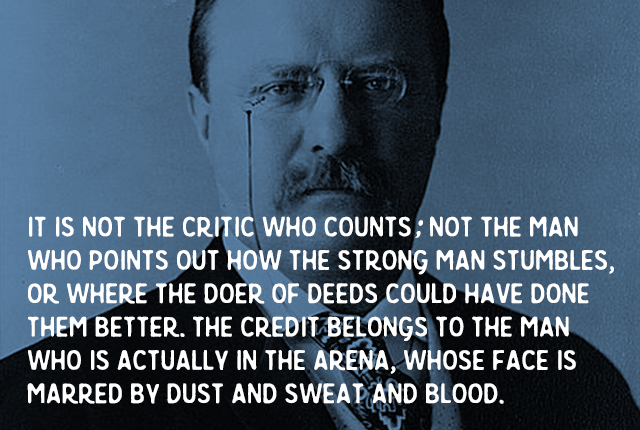
Though I love Brene Brown and what she has shared many people’s ‘vulnerabilities’ publicly pale in comparison to these two women- Dr. Jameson and Dr. Saks. We may feel extreme shame regarding issues that may not incur nearly the consequences of stigma and shame, or rather ‘discrimination’, that mental illnesses have across centuries. Some issues are more taboo. Brene says, “They have to earn the right to hear our story.” Conversely, these women paid out for skeptics and critics to benefit from hearing their stories backed up with their credentials. I am certain there were some worthy friends who earned the right to hear their stories and saw them through. When statistics show nearly one in five people suffer with mental illness we must know we all have family members and friends also suffering in silence. Clearly society is not ready for many people to share about the mental illness they have suffered and even overcome, publicly.  I love what Dr. Brown has to say about shame and vulnerability being the birth place of innovation and the man in the arena.


teddy_quote_full_0

What can you do about this in Gainesville, FL this month?

National Alliance on Mental Illness (NAMI) Gainesville, FL Annual Mental Illness Awareness Walk to reduce stigma surrounding mental illness. NAMI Gainesville (National Allinance on Mental Illness) provides education, advocacy and support for family members and individuals dealing with a mental illness. All services offered are free. Help NAMI by showing support and donating funds if you can. T-Shirts to anyone donating at least $10

https://www.facebook.com/events/271164809934041/


http://www.lovingtherapy.com

Rachel Hofer, MS


Creativity and Mental Illness

06 Sunday Apr 2014

Posted by rachelhofer in Bi-Polar, Creativity, Depression, Mood Disorder

≈ Leave a comment


Dr. Kay Redfield Jameson lives with bi-polar illness. She has been a very successful psychologist and writer. She believes that the research shows and the truth of the matter is that there is a correlation between mood disorders and highly creative artwork.  However, she says not to romanticize mental illness. Though many creatives and famous creative artists had mental illnesses that had an affect on their artwork, this did not come without its price. Byron and Van Gough, for example, wanted treatment for their illnesses. Many wanted to be treated and to get help, and some committed suicide at a young age. She makes the point that it is not a choice between being creative and taking medication.

Dr. Shelley Carson has a focus in her studies on psychopathology and creativity and teaches at Harvard. She says that most people who are creative do not have mental illness. She says people who have bi-polar and are creative are most creative right around the up and down from normal ranges of mood. She says the flight of ideas in mania and the feeling of ‘greater clarity’ may be part of what improves creativity in mental illness. She says anyone can become more creative by following the steps in her book. So you do not need to have mental illness to be creative.

Rachel Hofer

http://www.lovingtherapy.com

850-888-2182

Click to Call Now

Enter your email address to follow this blog and receive notifications of new posts by email.

Join 68 other subscribers

Read the Blog

  • January 2026
  • July 2024
  • November 2023
  • May 2022
  • April 2022
  • April 2020
  • January 2019
  • August 2018
  • June 2018
  • December 2017
  • July 2017
  • April 2017
  • November 2016
  • October 2016
  • September 2016
  • June 2016
  • May 2016
  • December 2015
  • November 2015
  • October 2015
  • September 2015
  • August 2015
  • June 2015
  • April 2015
  • September 2014
  • April 2014
  • March 2014
  • December 2013
  • September 2013
  • August 2013
  • July 2013
  • June 2013
  • May 2013
  • February 2013
  • January 2013
  • December 2012
  • November 2012
  • October 2012
  • June 2012
  • April 2012
  • February 2012
  • January 2012
  • November 2011

In Loving Memory Dr. Cheryl Laird

Rachel Hofer's first supervisor.

Rachel Cannon Ghulamani, M.S., LMHC

Dr. Jim Porter

Winning Harmony

Bullying Expert

Wilfredo Melendez, MS , RMHCI

Addiction, Family, and Anxiety Counseling

Linda Callahan

Licenced Marriage and Family Therapist

Gainesville Integrative Psychotherapy

Gainesville Integrative Psychotherapy

Half the knowledge is knowing where to find the knowledge.

Rachel Hofer, MS, LMHC

1137 Harrison Ave. #11
Panama City, FL 32401
850-888-2182

Loving Therapy

Blog at WordPress.com.

  • Subscribe Subscribed
    • Loving Therapy™
    • Join 68 other subscribers
    • Already have a WordPress.com account? Log in now.
    • Loving Therapy™
    • Subscribe Subscribed
    • Sign up
    • Log in
    • Report this content
    • View site in Reader
    • Manage subscriptions
    • Collapse this bar
 

Loading Comments...